NTC Delegation Visits Jharkhand; JRGA Foundation Shares Apparel Ecosystem Perspective
Ranchi | 2 September 2026
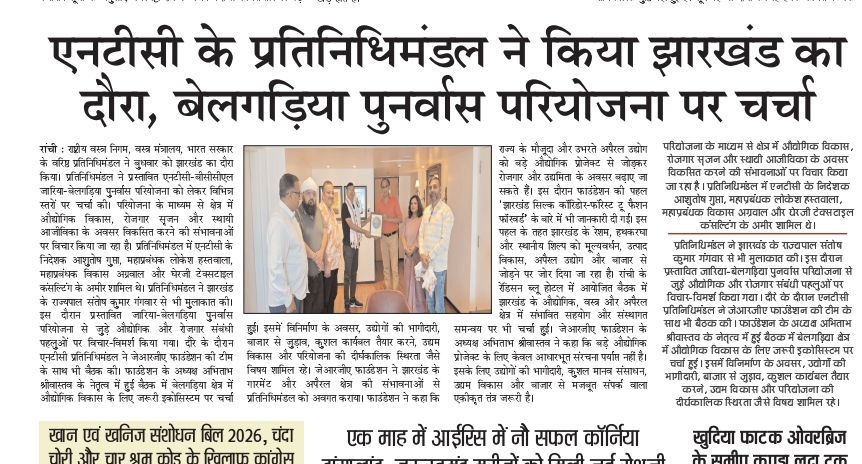
A senior delegation from the National Textile Corporation (NTC), Ministry of Textiles, Government of India, visited Jharkhand for discussions concerning the proposed NTC–BCCL Jharia–Belgaria Rehabilitation Project.
The delegation, comprising Shri Asutosh Gupta, Director; Shri Lokesh Hastawala, General Manager; Shri Vikash Agarwal, General Manager; and Mr. Amir, Gherzi Textile Consulting, also called on Hon’ble Governor of Jharkhand, Shri Santosh Kumar Gangwar.
The delegation subsequently interacted with the JRGA Foundation team, led by Abhitabh Shrivastava, President, at Radisson Blu Hotel, Ranchi.
Discussions focused on manufacturing opportunities, industry participation, workforce preparedness, skill & Traning, capacity building, enterprise development, market linkages and long-term sustainability.
JRGA Foundation, a sector-focused organisation strengthening Jharkhand’s garment and apparel ecosystem, also presented its “Jharkhand Silk Corridor – Forest to Fashion Forward” initiative.
The interaction provided an opportunity to discuss potential institutional and industry convergence for Jharkhand’s emerging industrial, textile and apparel ecosystem.



JRGA Foundation and Arka Jain University Sign MoU to Advance Decentralised Textile & Apparel Industrialisation in Jharkhand
11TH AUGUST'2026 | JAMSHEDPUR
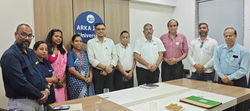
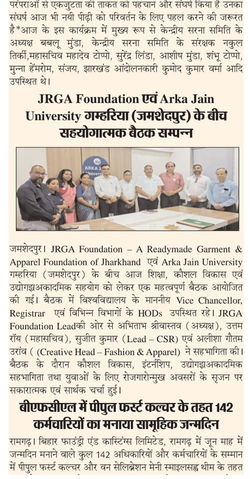
The JRGA Foundation and Arka Jain University (AJU) have formally signed a Memorandum of Understanding (MoU) to strengthen academia–industry collaboration and support the development of Jharkhand’s textile, garment and apparel ecosystem.
The MoU was signed during the Jharkhand Textile & Apparel Conclave 2026, organised by JRGA Foundation at Arka Jain University, with the participation and support of Tata Steel Foundation. Mrs. Smita Verma, CSR Manager, Tata Steel Foundation, attended the Conclave and witnessed the institutional partnership and discussions around Jharkhand’s industrial potential.
During the Conclave, JRGA Foundation presented its T.A.P.E. Model – Tie & Dye, Accessories, Printing and Embroidery, demonstrating how decentralised, skill-based production can create opportunities for textile, garment and apparel enterprises across districts of Jharkhand.
The model focuses on connecting local skills, rural workforce, traditional capabilities and market opportunities to establish a distributed industrial ecosystem—creating employment, women-led enterprises, value addition and economic opportunities closer to rural communities.
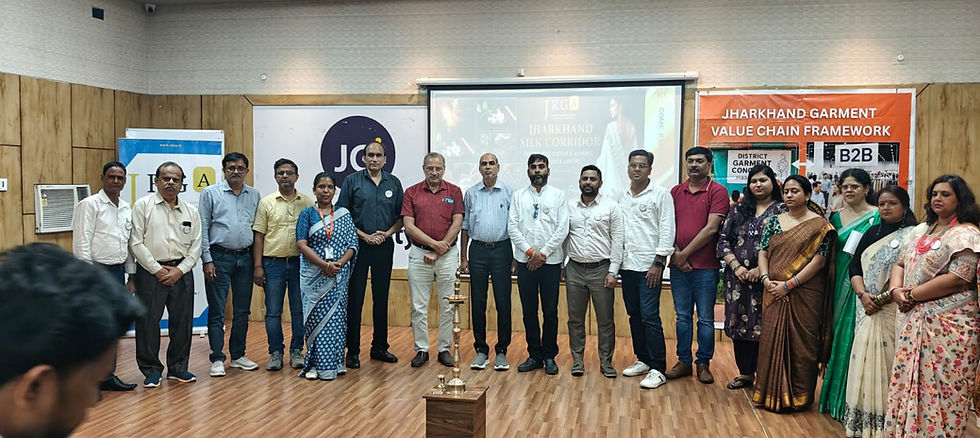
Team JRGA & AJU
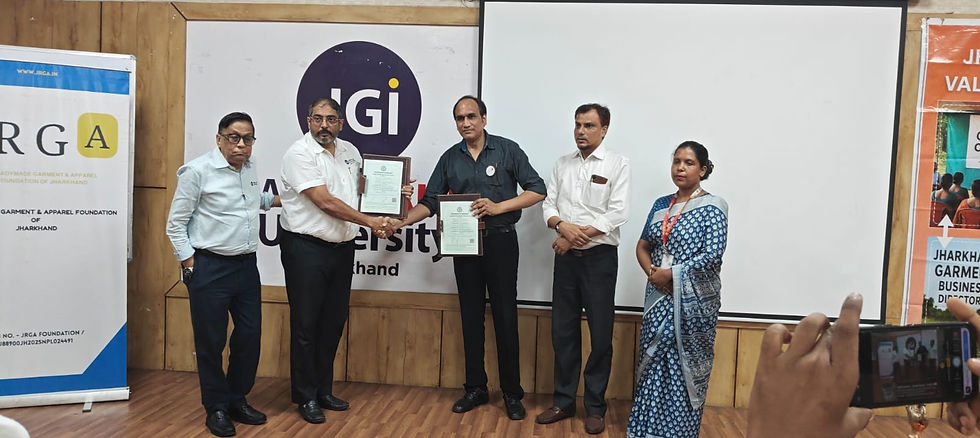
JRGA President & AJU Registrar

JRGA & AJU Team
Team JRGA & AJU
The Conclave also highlighted the Jharkhand Silk Corridor – “Forest to Fashion Forward”, an initiative designed to demonstrate how Jharkhand’s natural resources, silk, traditional skills and rural enterprise can be connected with modern garment and apparel value chains.
JRGA Foundation invited participating government institutions, academic institutions, industry representatives, CSR organisations, buyers and other stakeholders to visit the upcoming Jharkhand Silk Corridor – Forest to Fashion Forward Live Experience Centre and witness the state’s potential for decentralised textile, garment and apparel industrialisation.
The collaboration between JRGA Foundation and Arka Jain University, supported by the participation of Tata Steel Foundation, marks an important step towards building a stronger academia–industry–community ecosystem for Jharkhand’s textile and apparel sector.
JRGA Foundation and Arka Jain University Explore Strategic Academia–Industry Partnership
Jamshedpur | 30 July 2026
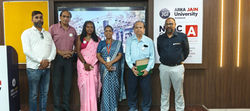
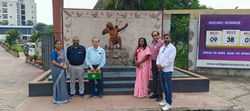
The JRGA Foundation, at the invitation of Arka Jain University (AJU), participated in a high-level strategic meeting to explore a long-term academia–industry partnership aimed at strengthening Jharkhand's emerging textile ecosystem.
The discussions centered on aligning academic learning with industry needs through the Jharkhand Silk Corridor – Forest to Fashion Forward initiative. Both organizations explored opportunities to bridge the gap between classroom education and real-world industry experience by creating pathways for skill development, innovation, research, internships, and entrepreneurship.
Invitation to Join the 120-Day Pilot & Demonstration Programme
During the meeting, the JRGA Foundation formally invited Arka Jain University to join the 120-Day Pilot & Demonstration Programme as a Founding Academic Partner and Co-Founder, with the programme proposed to commence in September 2026. The pilot is designed to demonstrate an integrated Forest to Fashion value chain, connecting natural fibre production, rural enterprises, textile manufacturing, design, branding, and market access. Students will gain practical, industry-led exposure across the complete textile ecosystem while working alongside industry experts and ecosystem partners.
 |  |  |
|---|---|---|
 |  |
Leadership Participation
The meeting was attended by senior representatives from both organizations. Arka Jain University Mr. S. S. Razi – Vice Chancellor Mr. Amit Kumar – Registrar Mrs. Usha Barla – Head, Department of Fashion Designing Mr. Rahul Amin – Assistant Dean & Head, Department of Journalism JRGA Foundation Mr. Abhitabh Shrivastava – President Mr. Uttam Roy – Secretary Ms. Alisa Gautam Oraon – Creative Head Mr. Sujit Kumar – Adviser
A Shared Vision for Jharkhand
The meeting concluded on a positive note, with both institutions expressing their intent to pursue a long-term strategic collaboration that integrates academia with industry. The proposed partnership seeks to nurture future-ready talent, encourage innovation and applied research, support entrepreneurship, and contribute to the growth of a sustainable textile and apparel ecosystem in Jharkhand. As the lead institution driving the Jharkhand Silk Corridor – Forest to Fashion Forward initiative, the JRGA Foundation continues to build partnerships across academia, industry, government, and communities to create an inclusive, innovation-driven, and globally competitive textile ecosystem for the state.
JRGA Foundation Felicitates West Bengal Minister Shri Umesh Rai; Silk Corridor Initiative Receives Strong Encouragement
Howrah, West Bengal | 15 June 2026
Describe your image
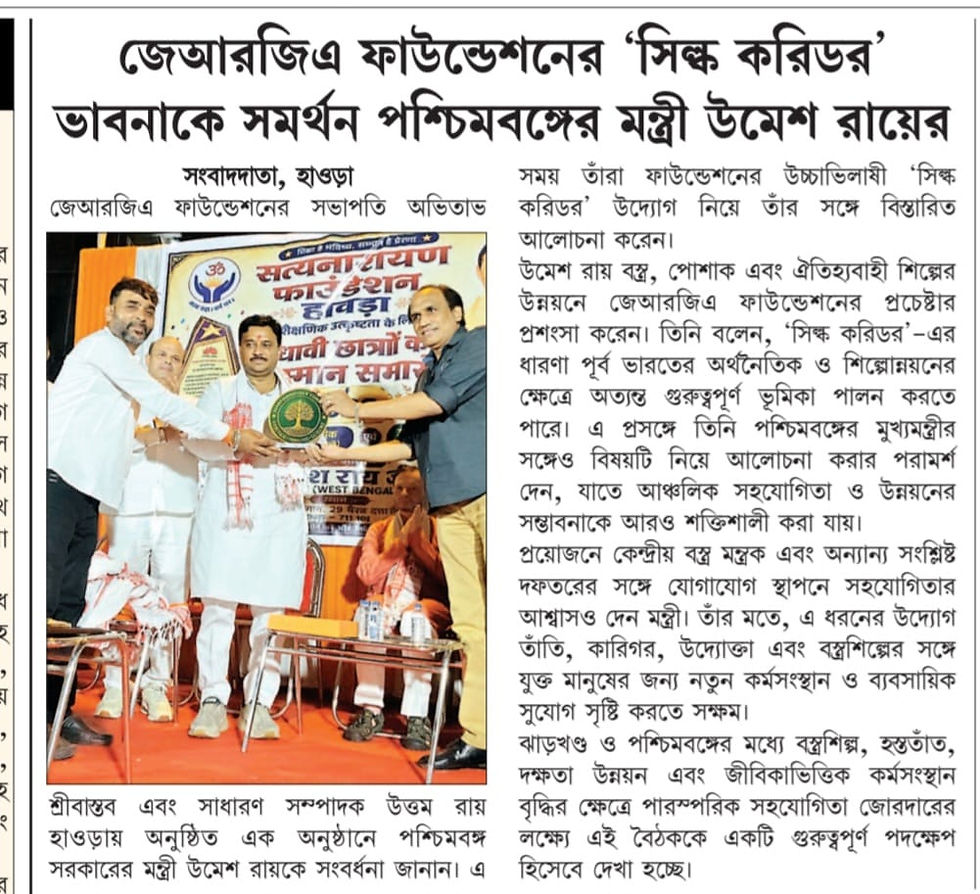
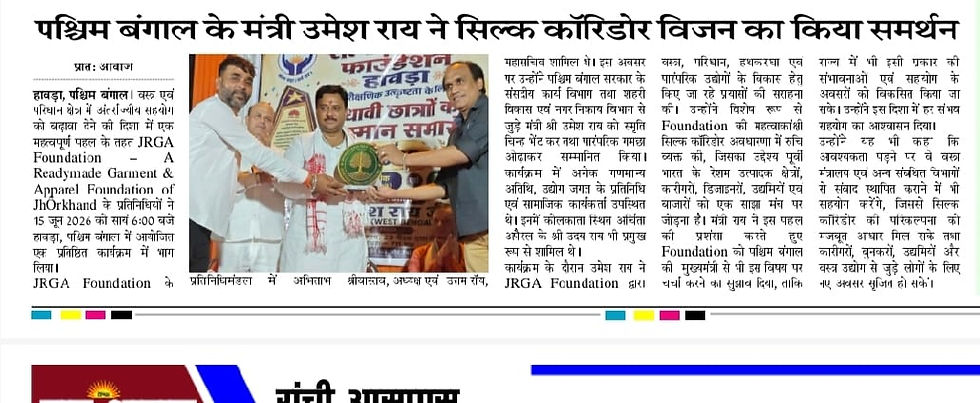
In a significant step towards strengthening inter-state collaboration in the textile and apparel sector, the JRGA Foundation – A Readymade Garment & Apparel Foundation of Jharkhand participated in a prestigious public function held in Howrah, West Bengal, on 15 June 2026.
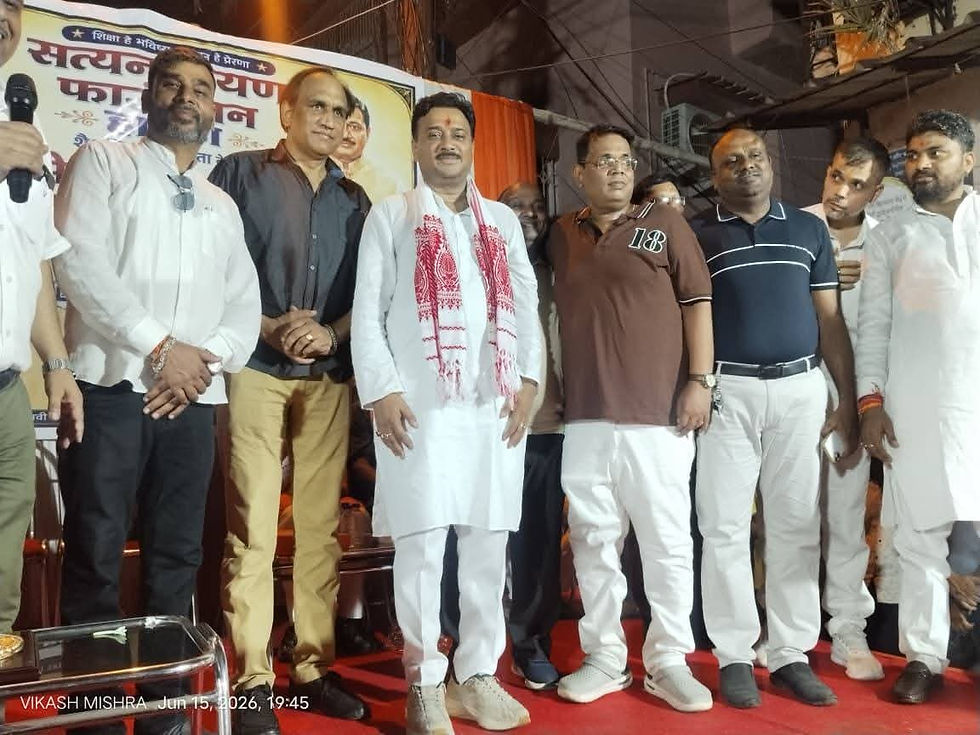
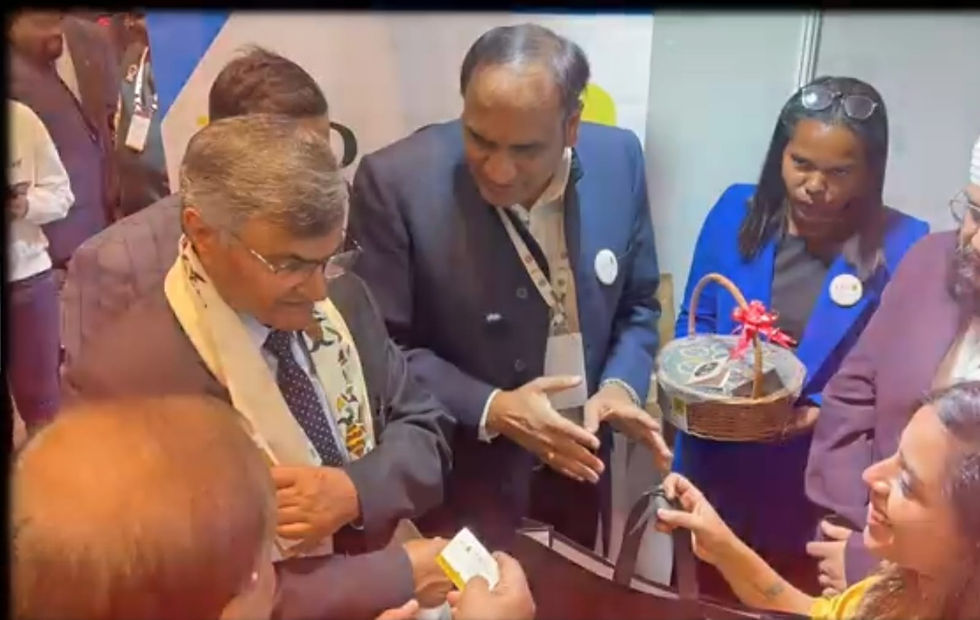
The JRGA Foundation delegation, led by Shri Abhitabh Shrivastava, President, and Shri Uttam Roy, General Secretary, had the privilege of felicitating Shri Umesh Rai, Minister of State, Department of Urban Development & Municipal Affairs, Government of West Bengal, and MLA from Howrah Uttar Constituency.
As a gesture of respect, cultural goodwill, and strengthening institutional ties, the Foundation presented a commemorative memento and draped the Hon'ble Minister with a traditional Gamcha, symbolizing the rich heritage and craftsmanship of Eastern India.
During the interaction, the JRGA Foundation shared its vision of developing a "Silk Corridor Initiative" aimed at fostering collaboration between Jharkhand and West Bengal in the areas of sericulture, silk value chains, apparel manufacturing, entrepreneurship development, skill enhancement, and market integration. The initiative seeks to leverage the strengths of both states to create sustainable opportunities for artisans, weavers, MSMEs, women entrepreneurs, and emerging enterprises engaged in the textile ecosystem. Shri Umesh Rai appreciated the efforts being undertaken by JRGA Foundation to promote inclusive growth in the textile and apparel sector and extended his encouragement towards initiatives that strengthen regional cooperation, enterprise development, and market-oriented interventions. His positive response to the proposed Silk Corridor Initiative has provided renewed momentum to JRGA Foundation's mission of creating robust textile ecosystems and expanding opportunities for stakeholders across the value chain. Speaking on the occasion, Shri Abhitabh Shrivastava, President, JRGA Foundation, stated: "The Silk Corridor Initiative represents a transformative opportunity to connect the traditional strengths of Jharkhand and West Bengal with contemporary markets, innovation, and entrepreneurship. We are encouraged by the Hon'ble Minister's support and look forward to building meaningful partnerships that empower producers, artisans, enterprises, and communities associated with the textile and apparel sector." The participation of JRGA Foundation in such engagements reflects its continued commitment to fostering strategic partnerships, promoting entrepreneurship, and advancing the growth of the textile, apparel, handicraft, and creative industries through collaborative action and ecosystem-building initiatives.
JRGA Foundation Participates in CSR Conclave 2026, Strengthening Partnerships for Sustainable Livelihood Development in Jharkhand
Ranchi | 20 May 2026
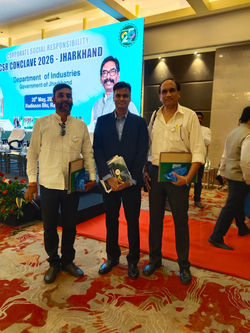
JRGA Foundation participated in the CSR Conclave 2026, organized by the Industry Department, Government of Jharkhand, at Radisson Blu Hotel, Ranchi. The conclave brought together government leaders, corporate CSR heads, development organizations, and institutional stakeholders to deliberate on sustainable development, CSR collaboration, livelihood generation, and community-driven growth models for Jharkhand.
The event was graced by Hon'ble Industry Minister of Jharkhand Shri Sanjay Prasad Yadav, Industries Secretary Shri Arava Rajkamal, and Director Shri Vishal Sagar. Representatives from leading organizations, including Tata Steel Foundation, Coal India Limited, UNICEF, and several other corporate and development institutions, participated in discussions focused on creating stronger partnerships for inclusive and sustainable development.
Representing JRGA Foundation, President Shri Abhitabh Shrivastava, Shri Uttam Rai, and Ms. Alisha actively engaged with government officials, industry leaders, CSR representatives, and development partners to explore collaborative opportunities for strengthening livelihood ecosystems, promoting skill development, and fostering sustainable economic growth across Jharkhand.
During the conclave, discussions were also held on the upcoming "Forest to Fashion Forward – Jharkhand Silk Corridor" Demonstration & Showcase, proposed for September 2026. The initiative aims to strengthen the silk value chain within Jharkhand by promoting local value addition, enhancing production capabilities, creating market linkages, and generating sustainable livelihood opportunities for women, youth, artisans, and rural communities. Participation in the conclave provided an important platform for JRGA Foundation to engage with key stakeholders and reinforce its vision of building collaborative, ecosystem-based development models that integrate government, industry, academia, financial institutions, and community organizations. JRGA Foundation remains committed to creating sustainable livelihood ecosystems through skill development, enterprise promotion, production linkages, value addition, and market connectivity. The Foundation continues to work with public and private sector partners to develop scalable, inclusive, and impact-driven initiatives that contribute to the socio-economic development of Jharkhand.
 Industries Secretary | 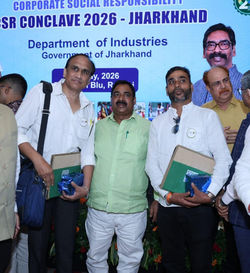 Honarable Minister Sanjay PrasadYadav | 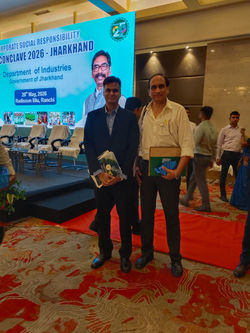 Industries Secretary |
|---|
JRGA Foundation Launches 120-Day Demonstration Project to Unlock the Potential of Jharkhand Tasar Silk and Handloom
4th April'2026
After months of preparatory work, including correspondence with the Ministry of Textiles, extensive ground mapping of textile and handloom clusters, stakeholder engagements, and a series of policy consultations, the JRGA Foundation has formally launched a transformative pilot initiative aimed at strengthening Jharkhand's Tasar silk and handloom sector. At a strategic Board Meeting held on 4 April 2026 and chaired by the Foundation's President, Mr. Abhitabh Shrivastava, the Board approved the roadmap for an intensive 120-day Demonstration Pilot Project, scheduled to run from 13 April to 15 August 2026. Based on field assessments and cluster-level data analysis, the Foundation identified four priority districts for intervention. Godda has been designated as the Champion District, while Dumka, Sahibganj, and Ranchi have been selected as Aspirational Districts. The pilot seeks to unlock the untapped potential of Jharkhand's celebrated Tasar silk heritage by integrating traditional craftsmanship with contemporary design, quality assurance mechanisms, innovation, and market-oriented enterprise approaches. The initiative aims to generate evidence-based models for strengthening local value chains, promoting rural entrepreneurship, and creating sustainable livelihood opportunities for artisan communities.
From Policy Dialogue to Action
The JRGA Foundation's initiative to strengthen Jharkhand's Tasar silk and handloom ecosystem is rooted in a series of strategic policy engagements, expert consultations, and sectoral assessments undertaken to explore sustainable pathways for heritage-led economic development. The process was informed by participation in a State Workshop convened by NITI Aayog, where discussions with Dr. Ramesh Chand and Amit Bhardwaj emphasized the importance of leveraging traditional industries to generate inclusive growth, local value addition, and long-term livelihood opportunities. Building upon these deliberations, the Foundation engaged with experts from the Department for Promotion of Industry and Internal Trade (DPIIT) and the Quality Council of India ecosystem during the National Quality Conclave Series–I held at Bharat Mandapam in February 2026. Insights shared by Jayax Shah and Dr. Ramanand N. Shukla during the plenary session, "Introduction to India's National Quality Roadmap," highlighted the critical role of quality assurance, accreditation, product standardization, and competitiveness in positioning heritage industries for contemporary markets. Together, these engagements have helped shape the Foundation's vision of transforming Jharkhand's rich textile heritage into a resilient, quality-driven, and market-responsive ecosystem—one that preserves cultural authenticity while fostering entrepreneurship, innovation, and sustainable livelihoods for artisan communities.
Why Jharkhand?
Natural & Cultural Capital Unparalleled Tussar silk resources and the rich legacy of Sohrai art and indigenous traditions. Human Capital Generations of skilled artisans preserving master weaving and handcrafted textile traditions. Sustainability Capital Home to low-carbon, cruelty-free Ahimsa silk, supporting ethical and environmentally responsible production.

Research, Mapping, and Stakeholder Engagement
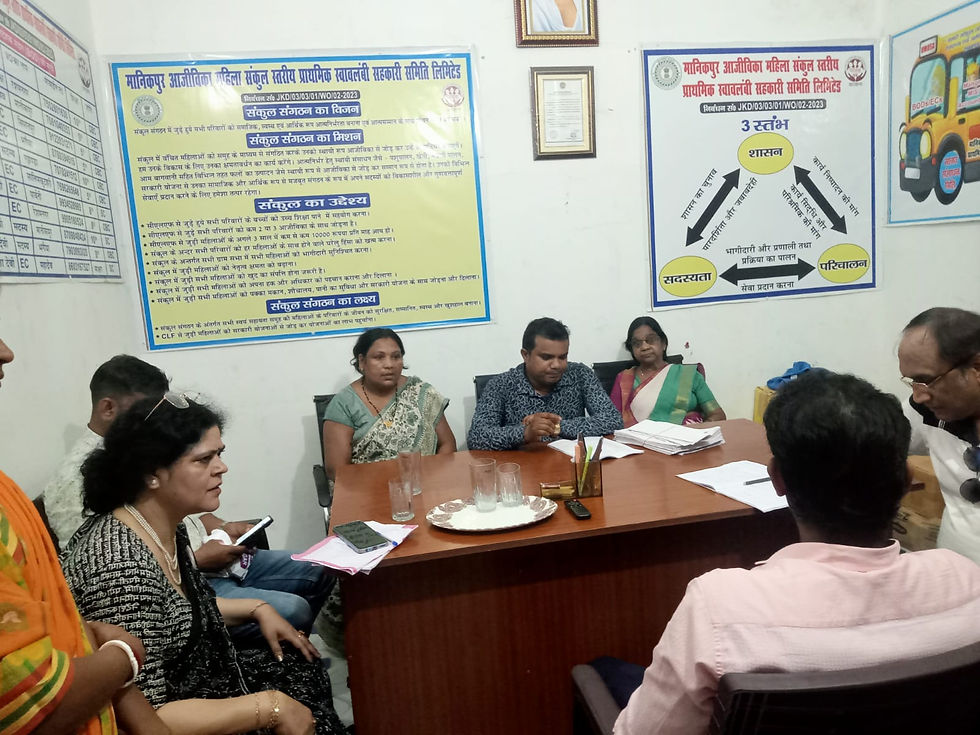
The Foundation's preparatory efforts began with correspondence with the Ministry of Textiles, Government of India, which subsequently referred the initiative to the Central Silk Board for localized technical guidance and support. Technical inputs were also received from Bengaluru-based experts on 4 March 2026, helping shape the initial framework for intervention. On 13 March 2026, the Foundation engaged with the Jharkhand State Livelihood Promotion Society (JSLPS) to better understand and map the ecosystem surrounding Bhagaiya—one of India's largest Tasar silk clusters. This was followed by extensive field visits and ground assessments undertaken by the JRGA Foundation team to evaluate artisan capabilities, weaving traditions, production systems, market opportunities, and gaps across the value chain. The findings highlighted strong potential for product diversification, value addition, design-led innovation, and the integration of local heritage into premium fashion and lifestyle markets. To further strengthen the knowledge base, consultations were held with the Central Silk Board, Ranchi. Discussions with Director Mrs. Bala, along with scientists Dr. Jana and Anshu, provided valuable insights into sericulture development, silk quality enhancement, sustainable production practices, and strategies for strengthening the Tasar silk value chain. Collectively, these engagements reaffirmed that Jharkhand possesses the natural resources, artisanal skills, cultural wealth, and institutional ecosystem required to emerge as a globally relevant hub for heritage-led and sustainable textile production.
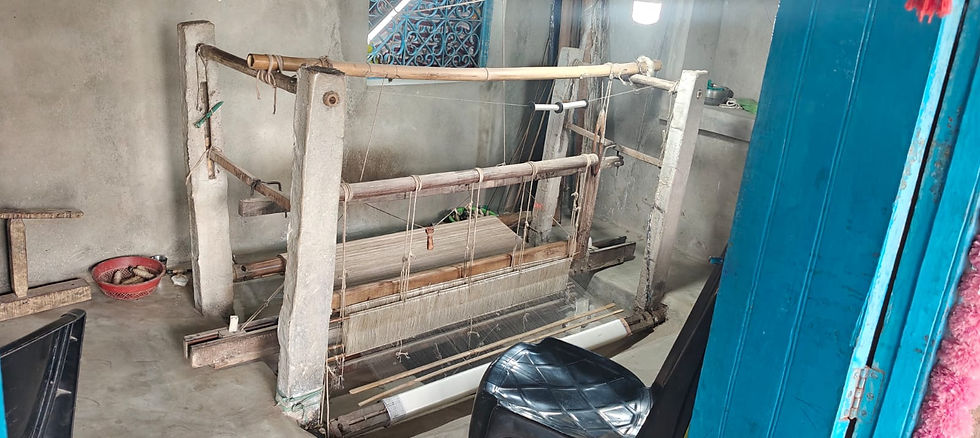
The 120-Day Demonstration Project
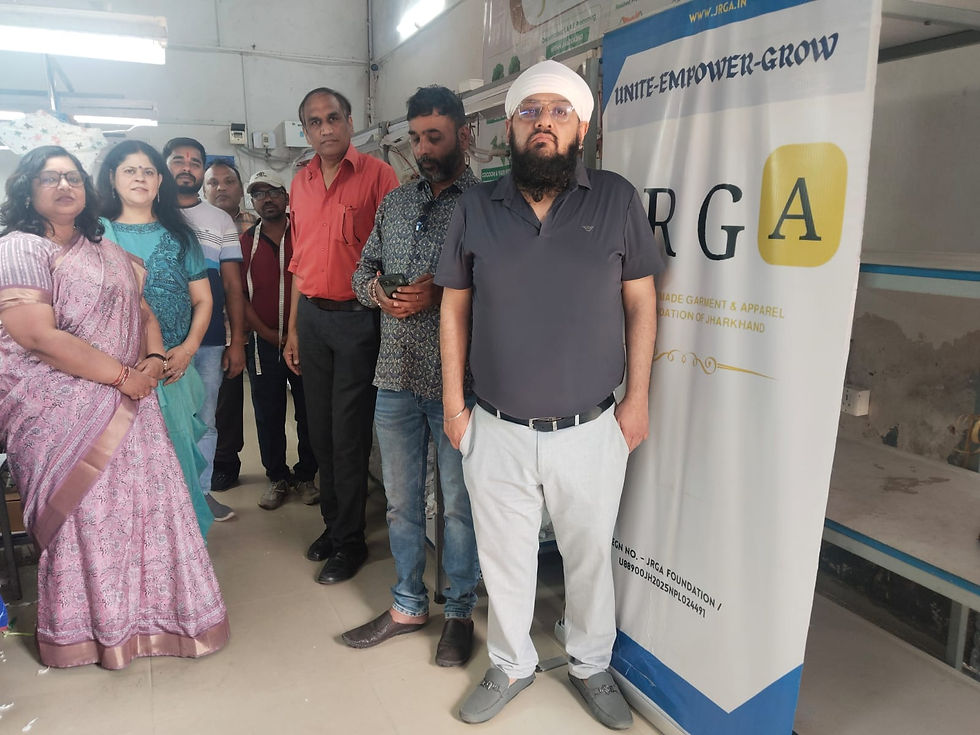
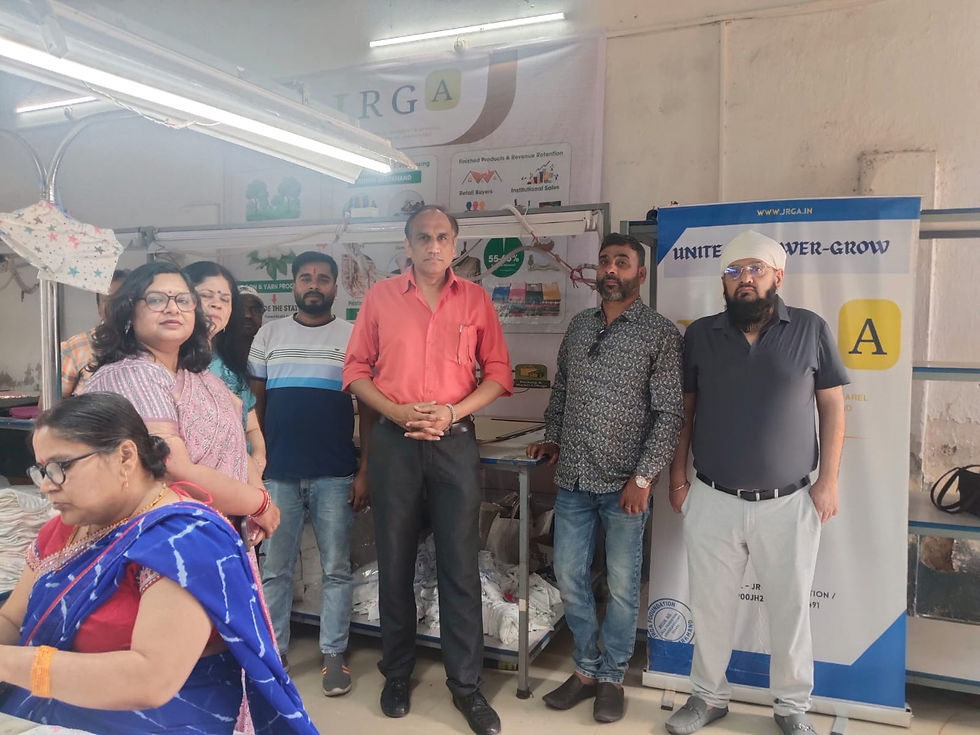
Following the successful completion of consultations, technical assessments, and field-mapping activities, the Foundation formally launched a 120-day demonstration project on 13 April 2026 at its headquarters. The project has been designed to test and demonstrate how traditional Tasar silk and handloom products can be repositioned for contemporary markets through innovation, design intervention, quality enhancement, and business-oriented approaches. The initiative is structured around four strategic pillars: Design-Led Product Innovation Developing contemporary products that combine traditional craftsmanship with modern aesthetics and evolving consumer preferences. Quality and Standardization Introducing systematic approaches to quality assurance, product consistency, and market readiness to enhance competitiveness. Value Addition and Market Integration Exploring opportunities for retaining greater economic value within the state through product development, branding, and market linkages. Livelihood and Enterprise Development Creating pathways for artisan communities, weavers, and associated stakeholders to participate in higher-value segments of the textile and fashion ecosystem. A Vision Beyond the Pilot While the project is designed as a 120-day demonstration initiative, its ambitions extend far beyond a single pilot. The long-term vision is to demonstrate how Jharkhand can evolve from being primarily a supplier of raw and semi-processed materials into a recognized source of premium, heritage-driven textile and fashion products. By combining traditional knowledge, modern design, quality systems, innovation, and market access, the initiative seeks to create a scalable model for inclusive and sustainable industrial development. The Foundation believes that heritage sectors can become powerful engines of economic growth when supported by the right ecosystem of technology, design, entrepreneurship, and market connectivity. Looking Ahead The 120-day demonstration project represents the first step in a broader effort to build a future-ready ecosystem around Jharkhand’s Tasar silk and handloom heritage. More than a textile initiative, it is an exploration of how traditional industries can be transformed into drivers of innovation, entrepreneurship, sustainable livelihoods, and regional economic development. By connecting artisans to markets, heritage to innovation, and tradition to contemporary consumer demand, the JRGA Foundation aims to contribute toward positioning Jharkhand as a recognized destination for premium, sustainable, and heritage-inspired textile and fashion products in India and beyond. The journey has begun—with a vision to transform Jharkhand’s traditional strengths into future-ready economic opportunities and create a new chapter for Tasar silk, handloom, and artisan-led enterprise development.